


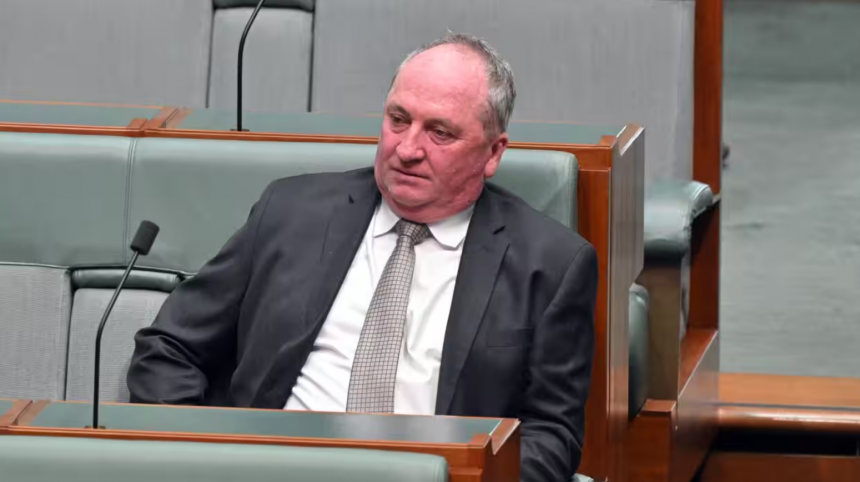
Barnaby Joyce is one of Australia’s most recognizable political figures and has played a major role in shaping debates surrounding regional development, agriculture, water management, and national economic policy. Throughout his career, Joyce became closely associated with rural Australia, advocating for farming communities and regional industries while serving in several senior government positions. His outspoken communication style and strong political convictions have made him both highly influential and frequently controversial within Australian politics.
Born in Tamworth, New South Wales, in 1967, Joyce grew up in regional Australia, an experience that strongly influenced his political priorities. Before entering politics, he worked as an accountant and became familiar with the economic challenges facing farmers, small businesses, and rural communities. This practical background later shaped many of the policies he promoted during his parliamentary career.
Joyce first entered federal politics through the Senate before later moving to the House of Representatives. His transition reflected his growing political influence and expanding public profile. As a member of the National Party, he represented constituencies where agriculture, mining, and regional development were major economic priorities.
One of Joyce’s defining political themes has been support for Australia’s agricultural sector. He has consistently argued that farmers play a crucial role in national food security, export performance, and regional employment. Throughout his career, he advocated policies designed to strengthen rural economies and improve infrastructure in regional communities.
Water management has remained another major focus of Joyce’s political work. Australia’s climate creates ongoing challenges involving drought, irrigation, and water allocation, particularly within agricultural regions. Joyce frequently emphasized the importance of balancing environmental sustainability with the needs of farming communities that depend on reliable water supplies.
As Deputy Prime Minister of Australia, Joyce participated in major national policy decisions involving economic development, trade, infrastructure, and regional investment. His leadership responsibilities expanded beyond agricultural issues to include broader questions concerning national governance and economic growth.
Joyce is widely known for his direct and highly energetic communication style. Unlike politicians who prefer carefully scripted public appearances, he often speaks spontaneously and expresses his opinions with considerable confidence. Supporters appreciate his willingness to speak openly, while critics sometimes argue that his comments generate unnecessary controversy.
Trade policy has also played an important role in Joyce’s political career. Australia relies heavily on agricultural exports, making international trade agreements particularly significant for regional producers. Joyce has frequently emphasized protecting Australian farmers while expanding export opportunities abroad.
Regional infrastructure has remained another recurring priority throughout his public service. Investments in roads, railways, telecommunications, and regional services have consistently formed part of his broader vision for strengthening rural Australia. He argues that improving infrastructure is essential for maintaining economic competitiveness outside major metropolitan areas.
Joyce’s political career has also included several high-profile controversies that attracted widespread national media attention. Questions concerning citizenship, ethics, and aspects of his personal life generated extensive public discussion during various periods of his career. These events demonstrated the increasing level of public scrutiny experienced by senior political leaders in modern democracies.
Despite periods of political difficulty, Joyce repeatedly returned to prominent leadership positions, illustrating his resilience and continued support among many regional voters. His electoral success reflects the importance of rural representation within Australia’s political system.
Energy policy has become another important issue throughout his parliamentary career. Joyce has generally advocated balancing environmental concerns with economic realities, particularly for communities dependent on mining and energy production. This position reflects broader debates within Australia regarding climate policy and economic transition.
His political philosophy emphasizes decentralization, regional investment, and support for industries that contribute significantly to Australia’s export economy. He has frequently argued that government policy should recognize the unique economic and social circumstances facing rural communities.
Throughout his career, Joyce has remained one of Australia’s most recognizable National Party politicians. His combination of strong public visibility, direct communication, and focus on regional issues has made him an influential figure within Australian conservative politics.
Whether praised as a determined advocate for rural Australians or criticized for his confrontational political style, Barnaby Joyce has undeniably shaped national debates concerning agriculture, regional development, infrastructure, and economic policy. His career continues to illustrate the important role regional politics plays within Australia’s democratic system.