


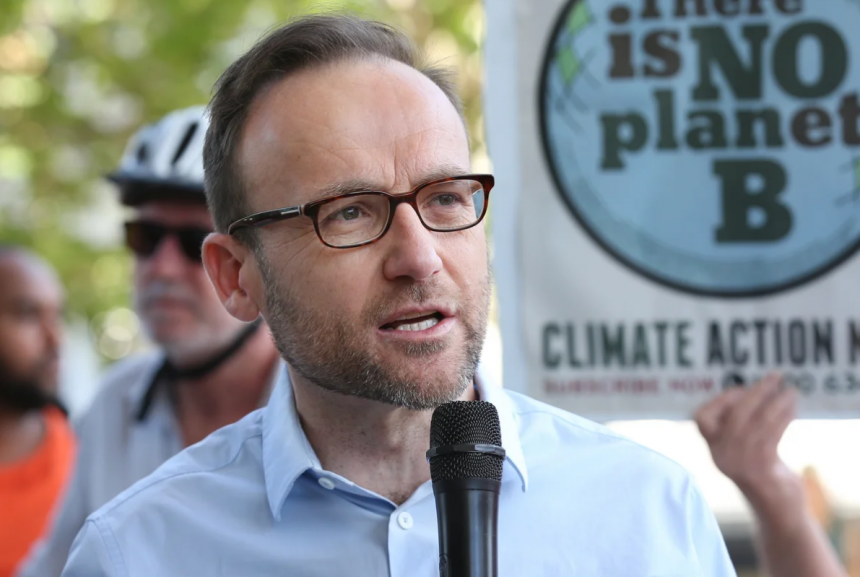
Adam Bandt is one of the most influential figures in contemporary Australian politics and has played a central role in expanding the visibility and electoral success of the Australian Greens. As a lawyer, parliamentarian, and political leader, Bandt has become closely associated with environmental protection, climate policy, social justice, and progressive economic reform. His career reflects the growing importance of Green politics within Australia’s democratic system and the increasing influence of environmental issues on public debate.
Born in Adelaide, South Australia, in 1972, Bandt studied law and arts before beginning a legal career focused on industrial relations and workers’ rights. His professional experience shaped many of his later political priorities, particularly his interest in workplace protections, social equality, and public policy aimed at reducing economic inequality. Before entering federal politics, he also worked as an academic and legal adviser, developing expertise in constitutional and employment law.
Bandt entered the Australian Parliament in 2010 after winning the seat of Melbourne, becoming the first member of the Australian Greens to secure a House of Representatives seat at a general election. His victory represented an important milestone for the Greens, demonstrating that environmental and progressive policies could gain significant support in major urban electorates.
Throughout his parliamentary career, Bandt has consistently emphasized climate action as one of Australia’s defining political challenges. He has argued that governments should rapidly reduce greenhouse gas emissions, accelerate investment in renewable energy, and transition away from fossil fuel dependency. These positions have made him one of the country’s most recognizable advocates for stronger environmental legislation.
Climate change remains one of the central issues shaping Australian politics due to the country’s vulnerability to droughts, bushfires, floods, and other extreme weather events. Bandt frequently argues that environmental policy should be viewed not only as an ecological responsibility but also as an economic opportunity capable of creating new industries and long-term employment.
In addition to environmental issues, Bandt has supported policies addressing housing affordability, healthcare accessibility, education funding, and wealth inequality. His political philosophy often combines environmental sustainability with broader social and economic reforms aimed at reducing inequality and expanding public investment.
One of Bandt’s defining characteristics is his willingness to challenge both major political parties. Unlike politicians within Australia’s Labor or Liberal parties, he frequently positions the Greens as an alternative capable of influencing national policy through parliamentary negotiations and coalition-building when necessary.
After becoming leader of the Australian Greens in 2020, Bandt oversaw a period of increasing electoral support for the party. Growing public concern about climate change, particularly among younger Australians, contributed to expanding the Greens’ political influence in federal elections. Under his leadership, the party strengthened its presence in Parliament and gained greater visibility in national policy discussions.
Bandt’s communication style tends to be direct, policy-focused, and data-driven. He frequently relies on scientific research and expert analysis when discussing climate policy while also highlighting the social and economic impacts of environmental decisions. Supporters appreciate this emphasis on evidence-based policymaking, while critics sometimes argue that some Green policies are economically unrealistic or overly ambitious.
Housing affordability has become another major issue throughout Bandt’s political career. Rising property prices and rental costs have created significant challenges for many Australians, particularly younger generations. Bandt has repeatedly advocated for increased investment in affordable housing and reforms intended to improve housing accessibility.
Economic inequality also features prominently in his political agenda. He has supported higher taxation on multinational corporations and wealthy individuals while advocating increased government investment in healthcare, education, and social services. These proposals reflect broader progressive political traditions found in many democratic countries.
Bandt has also spoken extensively about Indigenous rights, constitutional recognition, and reconciliation. He has argued that Australia’s democratic institutions should better reflect Indigenous perspectives and address historical inequalities through meaningful policy reforms.
Internationally, Adam Bandt represents a broader global trend in Green politics. Similar parties across Europe and other democratic nations increasingly combine environmental protection with progressive social policies, emphasizing climate action, renewable energy, human rights, and sustainable economic development.
Political polarization surrounding climate policy has made Bandt both a highly respected and highly criticized public figure. Environmental organizations often praise his commitment to ambitious climate targets, while political opponents argue that some proposed policies could create economic uncertainty in industries dependent on natural resources.
Despite political disagreements, Bandt has significantly contributed to making environmental policy one of Australia’s most important national discussions. Issues that were once considered secondary have become central components of election campaigns and long-term government planning.
Today, Adam Bandt remains one of Australia’s leading progressive political voices. Whether viewed as an advocate for necessary environmental transformation or criticized for ambitious policy proposals, his influence on Australian political discourse continues to shape debates about climate change, economic justice, and the future direction of the country.